Culture Drives Performance. We Help You Get Both Right.
Most businesses are stuck choosing between results and wellbeing.
We prove you don't have to.
We help you design culture that drives performance.
We diagnose what's stuck, design what matters most, and help you make it stick.
Because great teams aren't accidental. They're designed.
By focusing on what truly drives success - the needs, aspirations, and potential of your people - we enable you to create a workplace where everyone can thrive.
Whether you’re looking to inspire stronger leadership, enhance team alignment, or foster individual growth, our strategies are designed to support your goals and deliver measurable results.
It's not just our goal, it's our mission to guide you in building a people-centric organisation where purpose and profit align. By prioritising genuine human needs, you can cultivate a culture of engagement, innovation, and resilience that benefits everyone - leaders, teams, and the communities you serve.





our services
Tailored Solutions for Human-Centered Growth
We offer a range of services designed to unlock potential, drive meaningful change, and deliver lasting results. Our expertise spans leadership, team alignment, and individual development, ensuring we meet your unique needs at every level of your organisation.
Below you'll find our core service range, however, we'd love to chat to see what might be the right fit for your and your company.
One-on-One Executive Coaching

Our one-on-one Executive Coaching is about your journey and supports you to:
Unlock your full leadership potential
Gain tools and strategies to drive meaningful change
Navigate challenges with clarity and purpose
Authentically lead your team and organisation
HR Consultancy and Assessment

Our tailored HR Consultancy and Assessment services empower you and your team to:
Reimagine HR practices to align with people-first principles
Foster a thriving workplace culture that supports engagement and productivity
Identify growth opportunities through bespoke assessments and insights
Drive sustainable transformation by prioritising people, purpose, and profit
Organisational Development Adventures
By understanding your business dynamics, our Adventures will support you and your team to:
Choose the journey
Tailor HR solutions to fit your unique needs and goals
Foster a culture of collaboration, inclusion, and wellbeing
Build essential skills for leadership, resilience, and team success
Create a workplace where purpose and productivity thrive
Culture Drives Performance
ARE YOU LEADING IT INTENTIONALLY?
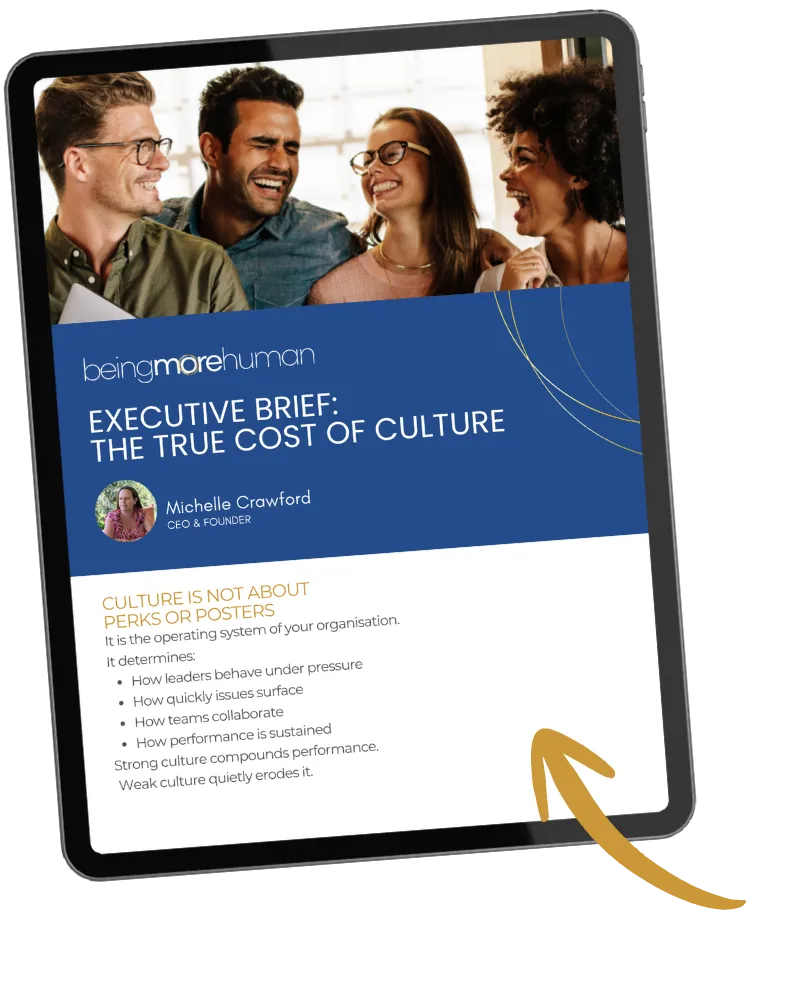
Humanifesto is a regular leadership reset for those who take culture seriously.
Subscribe and receive our Executive Brief, The True Cost of Culture - practical insight into the link between culture, behaviour and results.
Human-Led Strategies for Lasting Change
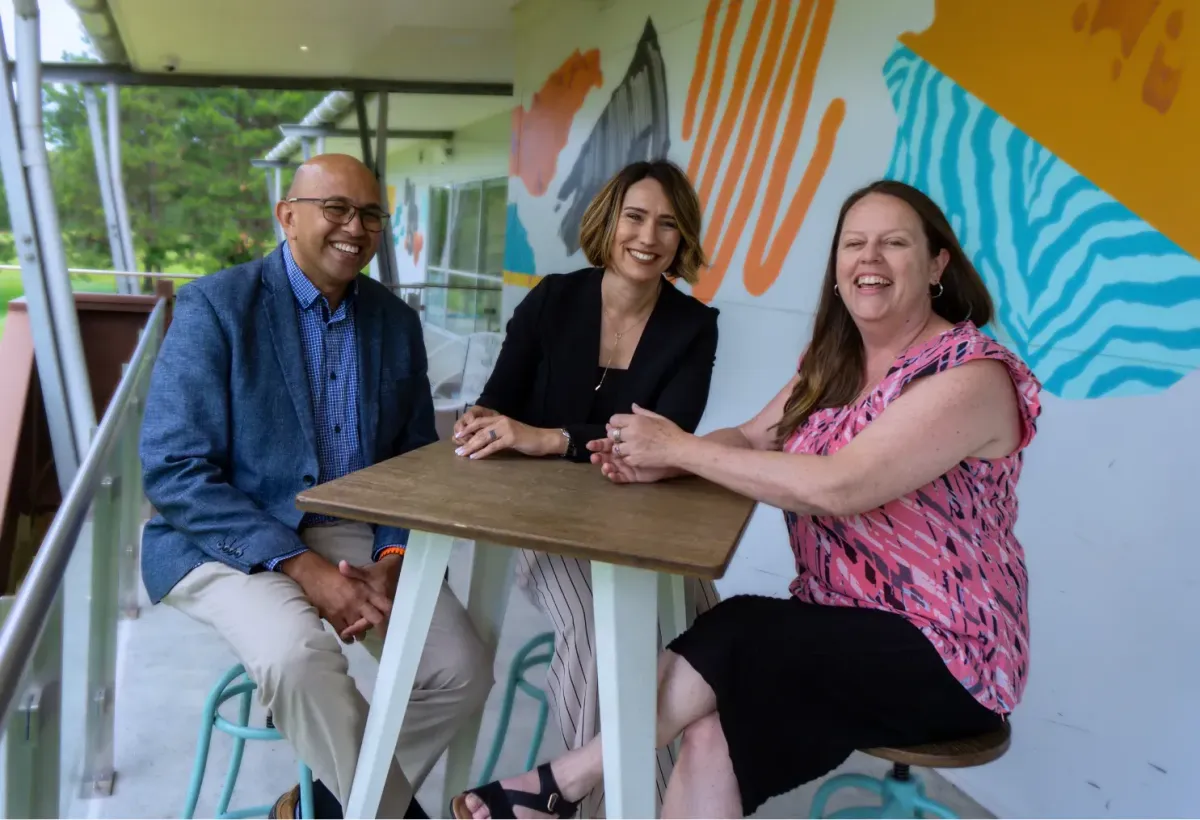
We combine the latest insights in human psychology with decades of experience in organisational transformation.
Our tailored solutions address your unique challenges, ensuring the changes we help you implement today fuel long-term success. From courageous leadership to constructive culture building, we provide the tools and expertise you need to create positive, sustainable impact.
We partner with you to create a future where your people thrive, your goals are realised, and your organisation achieves lasting success.
Let’s work together to spark a transformation that puts people at the heart of progress.
are you ready?
Transforming Business Through Humanity
We combine the latest insights in human psychology with decades of experience in organisational transformation.
Our tailored solutions address your unique challenges, ensuring the changes we help you implement today fuel long-term success. From courageous leadership to constructive culture building, we provide the tools and expertise you need to create positive, sustainable impact.
We partner with you to create a future where your people thrive, your goals are realised, and your organisation achieves lasting success. Let’s work together to spark a transformation that puts people at the heart of progress.
Check out our latest articles
Insights for a More Human Workplace
AI Can Still Be Human
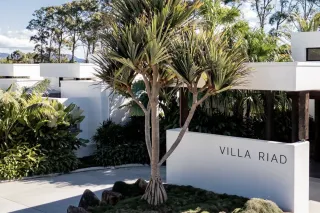
When you hear the words AI and retreat, you probably don’t imagine they belong. So, when I recently attended an AI retreat at the breathtaking Villa Riad in Byron Bay, I was curious: could these world... ...more
Leadership ,AI
September 29, 2025•3 min read

From Partner to People Leader: The Skills Law School Didn’t Teach You
You made partner, but no one trained you to lead people. In this article, we explore the often-overlooked leadership gap in law firms. Why do so many brilliant lawyers struggle when they step into man... ...more
Company Culture ,Leadership
September 01, 2025•3 min read

The Redundancy Glitch
After years of hearing stories from people facing redundancy, it was finally my turn. On a Friday at 3:30 PM, I received a "don't come Monday" letter. As the only person delivering a particular servic... ...more
Resilience
March 19, 2025•2 min read
Don't take our word for it
Read what others are saying
ANNIKA JAMIESON | DIGITAL GROWTH STRATEGIST
The team at Being More Human have a contagious passion for empowering people, backed by years of experience in everything to do with culture building, leadership development, HR and strategic planning.
IAN RODRIGUES | DIRECTOR
Being More Human has been a critical part of this change, taking the time to get to know our people and their drivers. The level of trust and respect is critical to engaging on a growth/change process.
TANYA WINN | DIRECTOR
We received an amazing amount of group and individual support in and around wellbeing for staff, HR support and coaching in identifying and implementing change and innovation around work culture.



© Being More Human 2026 · Made by Green Chilli Marketing
We acknowledge the traditional custodians of this land and pay our respects to the elders both past,
present and future for they hold the memories, the traditions, the culture and hopes of Aboriginal Australia.
We must always remember that under the concrete and asphalt this land is, was and always will be traditional Aboriginal land.