
Culture Drives Performance. We Help You Get Both Right.
Most businesses feel they have to choose between results and wellbeing. We show you don't have to.

CULTURE DRIVES PERFORMANCE
Are You Leading It Intentionally?
Culture is either working for your organisation or against it. This brief helps you see which one, and what to do about it.
We help you design culture that drives performance.
We diagnose what's stuck, design what matters most, and help you make it stick.
Because great teams aren't accidental.
They're designed.
It starts with your people: what they need, what they're aiming for and what they're capable of. When an organisation is designed around that, people have room to do their best work.
Whether the priority is stronger leadership, a team pulling in the same direction or one person's next step, the work is built around your situation, so people, purpose and profit pull the same way.



Tailored Solutions for Human-Centred Growth
Each service is shaped around your situation and what you want to move toward.
Executive
Coaching

HR
Consultancy

Leadership
Development

Career
Transition

People Development
Programs

Change &
Transformation

Human-Led Strategies for Lasting Change
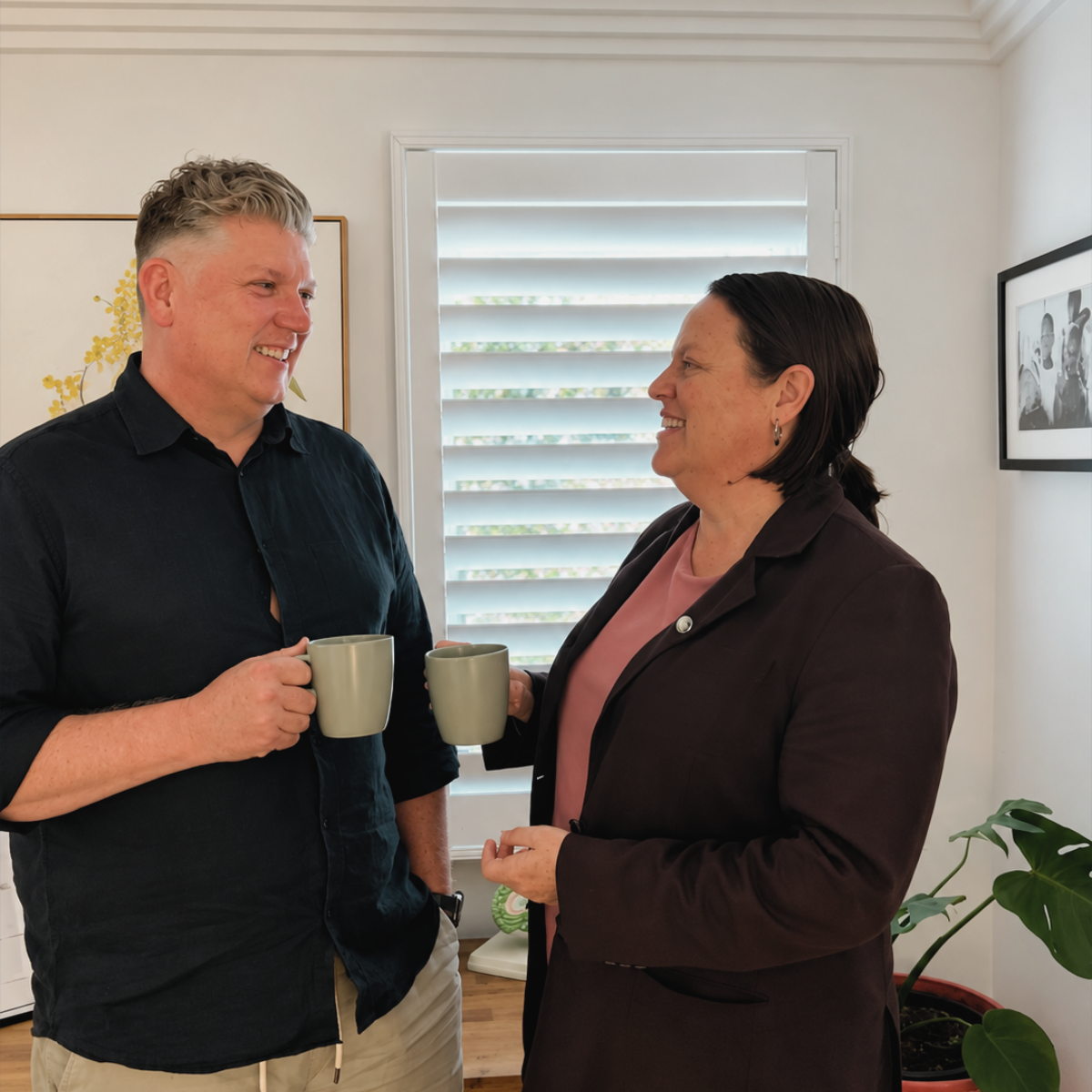
We combine the latest insights in human psychology with decades of experience in organisational transformation.
We work alongside your leaders and teams, from the first conversation through to the point where the change holds.
Every solution is built around your challenges, from courageous leadership to constructive culture building, so what we put in place keeps working after we've gone.
The aim is an organisation where your people thrive and your goals are met.
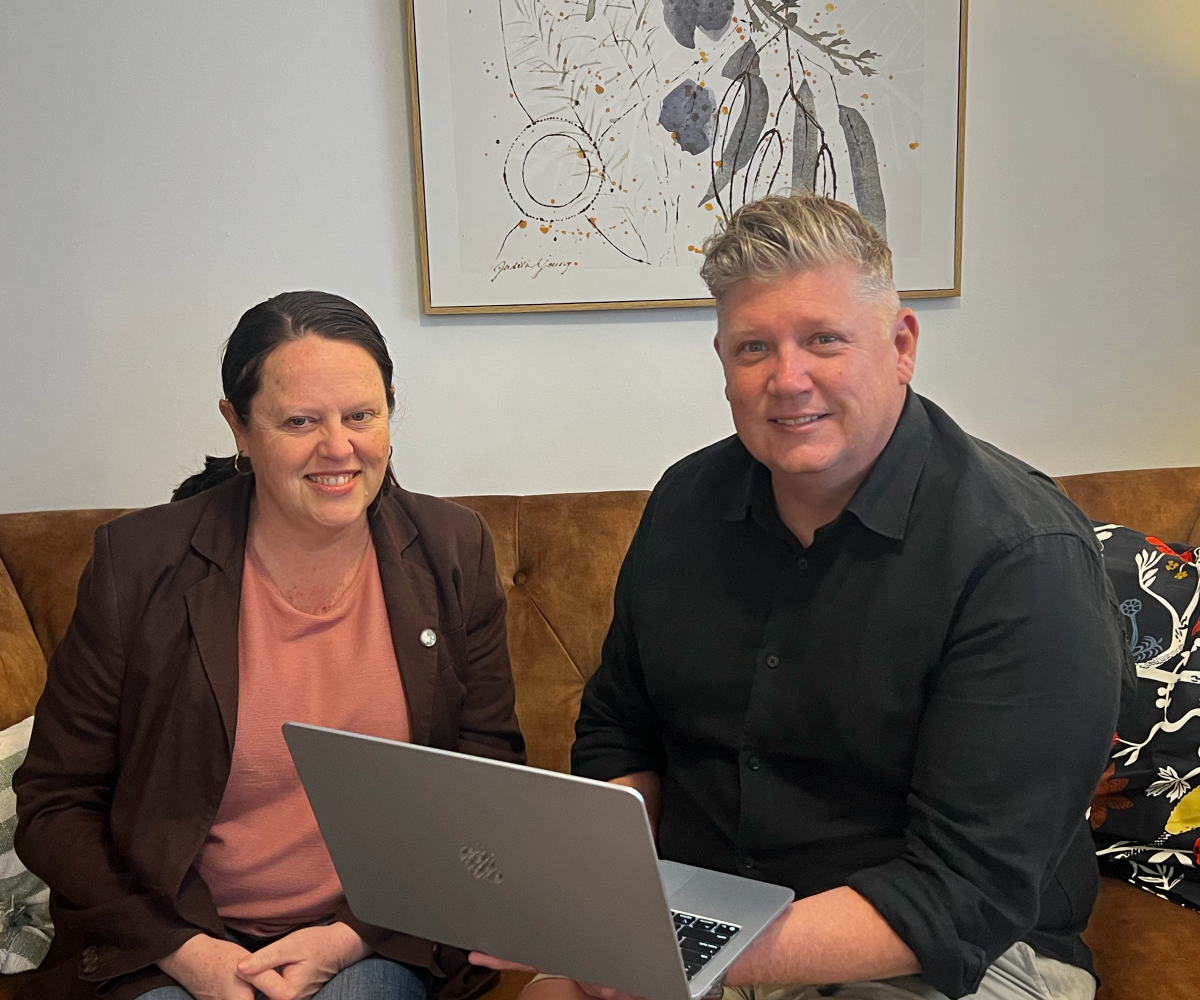
Is your culture working for your organisation, or against it? Book a conversation with Michelle or Aaron and talk through what you're seeing.
Transforming Business Through Humanity
Better humans create better businesses. Your people, purpose and profit can pull the same way. It starts with a conversation about where you are now.
Talk with Michelle or Aaron about what you're seeing in your organisation. In 15 minutes, you'll have a clearer sense of where to start.
Insights for a More Human Workplace
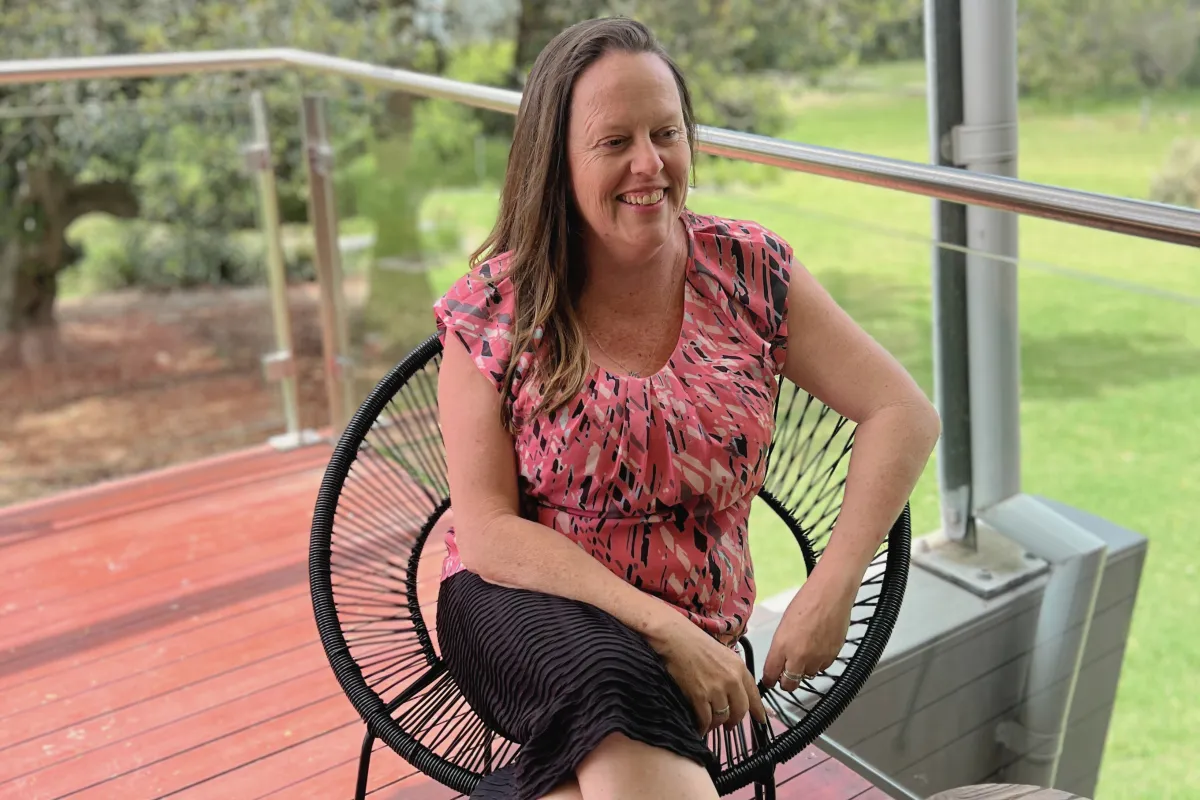
What I've Learned After Years of Working With Misaligned Leadership Teams
I've spent years sitting across the table from leadership teams who are frustrated, exhausted, and quietly convinced the problem is somewhere else in the business.
It's rarely somewhere else.
In almost every case, the issue starts at the top.
Not because leaders are incompetent. Not because they don't care. But because somewhere along the way, the team that's supposed to be setting the direction stopped being genuinely aligned on what that direction actually is.
What misalignment actually looks like
It doesn't announce itself.
It shows up as slow decision-making that nobody can quite explain. As teams that seem capable but can't execute. As talented people who disengage for reasons that don't make sense on paper.
It shows up in the meetings where everyone agrees, and the hallway conversations where they don't.
Most leaders I work with have felt this. Very few have named it correctly.
What I've learned
After years of working with leadership teams across professional services and beyond, a few things have become clear to me.
Misalignment is almost never about personality clashes or poor culture fit. It's structural. It lives in unclear direction, competing priorities, and leadership behaviours that send different signals to the rest of the organisation.
It's also more expensive than most organisations realise. The cost shows up in turnover, in stalled projects, in the constant friction that quietly drains performance and momentum.
And it's fixable. But only once you've diagnosed it correctly.
The most common mistake
Leaders try to solve alignment problems with communication. More meetings, more updates, more transparency.
Communication helps. But it doesn't fix misalignment.
You can communicate a confused direction very clearly and still have a team pulling in different directions.
The fix has to go deeper than communication. It has to address the underlying structure of how your leadership team operates, decides, and behaves.
Where this leaves most teams
The leaders who close the gap fastest are the ones willing to look honestly at what's happening at the leadership level, not just what's happening in the teams below them.
That's uncomfortable. And it's also where the real leverage is.
💬 If you're honest, how aligned is your leadership team right now? Not in meetings. In practice.

Don't take our word for it
Read what others are saying
ANNIKA JAMIESON | DIGITAL GROWTH STRATEGIST
The team at Being More Human have a contagious passion for empowering people, backed by years of experience in everything to do with culture building, leadership development, HR and strategic planning.
IAN RODRIGUES | DIRECTOR
Being More Human has been a critical part of this change, taking the time to get to know our people and their drivers. The level of trust and respect is critical to engaging on a growth/change process.
TANYA WINN | DIRECTOR
We received an amazing amount of group and individual support in and around wellbeing for staff, HR support and coaching in identifying and implementing change and innovation around work culture.



© Being More Human 2026 · Made by Green Chilli Marketing
We acknowledge the traditional custodians of this land and pay our respects to the elders both past,
present and future for they hold the memories, the traditions, the culture and hopes of Aboriginal Australia.
We must always remember that under the concrete and asphalt this land is, was and always will be traditional Aboriginal land.